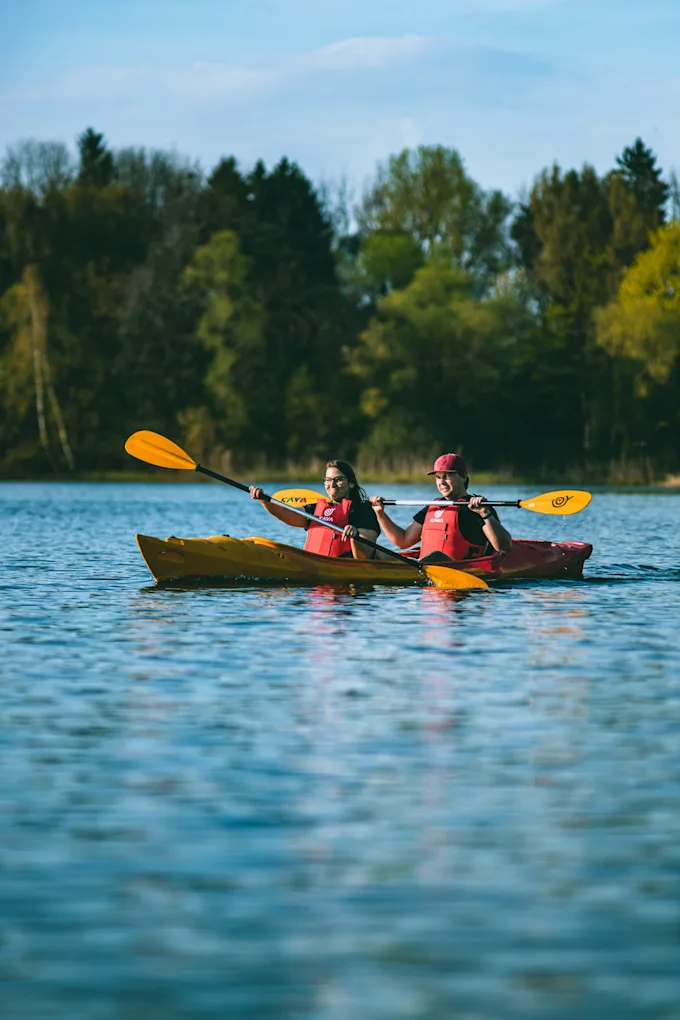
Your Ultimate Guide to Kayaking in Moab, UT
The Complete Guide to Paddling Adventures in Red Rock Country
Planning your next kayaking adventure doesn't have to be overwhelming, especially when you're exploring one of America's most iconic desert landscapes. Moab, Utah, may be world-renowned for its rock climbing and mountain biking, but the Colorado River flowing through this red rock wonderland offers unique paddling experiences that combine gentle river floating with some of the most spectacular scenery in the American Southwest.
Here's what makes Moab interesting for kayaking: you're positioned in a desert oasis where the Colorado River has carved through millions of years of geological history, creating towering sandstone cliffs, natural arches, and canyon corridors accessible primarily by water. While Moab won't challenge serious whitewater paddlers looking for technical rapids, it provides exceptional opportunities for scenic river floating, family-friendly paddling, and experiencing red rock country from a completely different perspective than the famous hiking and climbing routes.
With access to calm-water Colorado River sections perfect for beginners, day-long float trips through spectacular canyon scenery, established outfitters providing equipment and shuttle services, and year-round paddling opportunities in one of Utah's most accessible desert environments, Moab serves as an ideal introduction to desert river paddling. The region's reliable water flows, dramatic scenery, and professional outfitter services create perfect conditions for recreational kayaking, photography, and experiencing the Colorado Plateau's unique ecosystem from river level.
COLORADO RIVER THROUGH MOAB: Red Rock River Floating
The Main Attraction: Scenic River Sections
The Colorado River through Moab flows as a generally calm, wide river perfect for recreational kayaking and family floating. This isn't technical whitewater—it's scenic river floating through some of the most photographed landscape in the American West. The river provides the primary corridor for experiencing Moab's famous red rock formations from water level, offering perspectives impossible to achieve from any land-based vantage point.
Daily Section (Hittle Bottom to Take-Out Beach): This 7-mile section represents the most popular day trip for kayakers, typically taking 3-4 hours depending on water levels and stopping frequency. The put-in at Hittle Bottom provides easy access with parking and basic facilities, while the take-out at Take-Out Beach offers convenient conclusion near town with established boat ramp facilities.
The daily section showcases classic Moab scenery including views of the La Sal Mountains, red rock cliffs, and desert vegetation along the river corridor. Water conditions remain consistently Class I with occasional minor riffles, making this accessible to beginning paddlers while providing genuine interest for more experienced kayakers seeking scenic rather than technical challenges.
Half-Day Options: Several outfitters offer shorter 2-3 hour sections for families with young children or groups wanting less time commitment. These abbreviated trips typically cover 3-4 miles of river while maintaining access to the same spectacular scenery and gentle water conditions that characterize Moab river floating.
Here's a pro tip: plan your Moab river trip for late afternoon to take advantage of optimal lighting on the red rock formations. The warm sandstone cliffs glow dramatically in late-day sun, creating exceptional photography opportunities and the most visually striking paddling experience.
Water Conditions and Seasonal Considerations
Spring High Water (April-June): Spring represents peak water season with snowmelt from the Rocky Mountains providing optimal flows for kayaking. Higher water levels create faster current and slightly more dynamic conditions while maintaining the gentle nature that characterizes Moab river floating. Spring also offers the most comfortable air temperatures for extended river time.
Summer Flows (July-September): Summer water levels drop significantly but remain adequate for kayaking, though the river becomes slower and shallower. Summer paddling requires early morning starts to avoid peak desert heat, with air temperatures often exceeding 100°F during midday hours. The slower current extends trip times but allows more leisurely exploration and photography.
Fall and Winter Opportunities (October-March): Fall provides excellent paddling conditions with moderate air temperatures and stable water levels. Winter kayaking remains possible during warm periods, though cold water temperatures require appropriate gear and safety considerations for potential immersion.
Water Temperature: The Colorado River through Moab remains cold year-round due to upstream dam releases, typically ranging from 45-65°F depending on season. Cold water requires awareness of hypothermia risks even during hot summer air temperatures, making proper clothing and safety equipment essential for all seasons.
Wildlife and Ecosystem Observations
The Colorado River corridor through Moab supports diverse desert riparian ecosystem distinctly different from the surrounding high desert environment. River-level paddling provides optimal opportunities for observing wildlife and plant communities that depend on permanent water in this arid landscape.
Bird Life: The river corridor hosts over 100 bird species including great blue herons, belted kingfishers, various duck species, and occasional golden eagles or peregrine falcons. Early morning and evening paddling provide the best wildlife viewing opportunities when animals are most active along the water.
Riparian Vegetation: Cottonwoods, willows, and tamarisk create dense vegetation along the river banks, providing habitat and shade that contrasts dramatically with the surrounding desert landscape. This riparian forest represents one of the most biologically productive ecosystems in the desert Southwest.
Fish Populations: The Colorado River supports both native and introduced fish species, though native fish populations have declined significantly due to habitat modification and water management. Kayakers may observe various species while paddling, contributing to understanding of desert aquatic ecosystems.
EXTENDED RIVER ADVENTURES: Multi-Day Possibilities
Overnight and Multi-Day Options
While most Moab kayaking focuses on day trips, the Colorado River system offers extended paddling opportunities for those wanting overnight river experiences. Multi-day trips require advance planning, permits, and significantly more preparation than day floating, but provide access to remote canyon sections and deeper wilderness experiences.
Fisher Towers Section: This overnight trip covers approximately 20 miles from the Dewey Bridge to Hittle Bottom, typically completed over 2 days with camping at designated riverside sites. The Fisher Towers section provides more remote experience while maintaining the gentle water conditions that characterize Moab river floating.
The overnight section showcases dramatic red rock formations including the famous Fisher Towers, natural arches, and expansive canyon vistas. Camping along the river provides opportunities for stargazing in some of the darkest skies in the continental United States, creating memorable experiences beyond just paddling.
Permit Requirements: Multi-day trips may require camping permits and adherence to Leave No Trace principles appropriate for desert environments. Check current regulations with the Bureau of Land Management, as permit requirements change based on seasonal usage and environmental protection needs.
Self-Support Considerations: Overnight river trips require self-sufficiency in water, food, camping equipment, and emergency preparedness. Desert environments present unique challenges including extreme temperature variation, limited natural shelter, and potential for flash flooding during storm events.
Regional River Access Points
Dewey Bridge Area: Located approximately 30 miles northeast of Moab, Dewey Bridge provides access to upper Colorado River sections with more remote character and additional mileage options. The historic bridge area offers put-in facilities and represents the starting point for multi-day adventures.
Cisco Boat Launch: Further upstream, Cisco provides access to extended river sections for experienced paddlers wanting multi-day adventures through increasingly remote canyon country. This access point serves primarily self-supported trips requiring advanced planning and desert camping experience.
Ruby/Horsethief Canyon: Located downstream from Moab near the Colorado border, this section offers day trip opportunities with different geological formations and slightly more dynamic water conditions. The drive to access points requires additional time but provides variety for repeat visitors.
FAMILY KAYAKING: Kid-Friendly Desert Adventures
Age-Appropriate Options and Safety
Moab's gentle river conditions and established outfitter infrastructure create excellent opportunities for family kayaking adventures. The predictable water conditions, dramatic scenery that captures children's imagination, and professional guide services make this an ideal destination for introducing young people to river paddling.
Minimum Age Considerations: Most outfitters accommodate children as young as 6 years old in tandem kayaks with adults, while independent paddling typically requires ages 12 and up depending on individual swimming ability and comfort in water. Family trip planning should prioritize safety over adventure, choosing shorter sections and guided services for inexperienced paddlers.
Tandem Kayak Options: Family groups benefit from tandem kayaks that allow adult/child pairing, providing safety supervision while enabling children to participate actively in paddling. Tandem configurations also work well for groups with mixed experience levels or physical capabilities.
Educational Opportunities: The Moab river corridor provides exceptional outdoor education opportunities including geology, desert ecology, Native American history, and river management issues. Many outfitters incorporate educational programming into family trips, creating learning experiences alongside recreational adventure.
Child Safety and Comfort Considerations
Life Jacket Requirements: All children must wear properly fitted Coast Guard-approved life jackets throughout river trips. Professional outfitters provide appropriate sizes and styles, but families should verify proper fit and comfort before launching.
Sun Protection: Desert river floating exposes paddlers to intense solar radiation reflected off water and canyon walls. Children require comprehensive sun protection including hats, long sleeves, high-SPF sunscreen, and frequent reapplication throughout the trip.
Hydration Management: Desert environments create significant dehydration risks, particularly for children who may not recognize early symptoms. Family trips require careful hydration planning with frequent water breaks and monitoring of each child's fluid intake throughout the adventure.
Temperature Regulation: Desert environments create extreme temperature variation between air and water, requiring clothing systems that handle both cold water contact and hot air temperatures. Families should pack extra clothing and understand hypothermia risks even during summer paddling.
INTERMEDIATE PADDLING: Skill Development Opportunities
Building River Reading Skills
While Moab river sections remain generally gentle, the Colorado River provides opportunities for developing fundamental river paddling skills in a forgiving environment. Beginning kayakers can practice basic techniques while building confidence for more challenging future adventures.
Current Reading: The Colorado River through Moab offers opportunities to practice reading water flow, identifying deeper channels, and understanding how current interacts with obstacles. These skills transfer directly to more technical rivers while remaining safe for skill development.
Basic Maneuvering: River obstacles including rocks, vegetation, and bridge pilings provide practice opportunities for basic kayak maneuvering without serious consequences for mistakes. Paddlers can develop turning, bracing, and positioning skills in controlled conditions.
Group Management: Moab trips work well for developing group paddling skills including maintaining visual contact, communication, and mutual assistance. These leadership and group dynamics skills prove essential for more advanced river adventures.
Progression Opportunities
Technique Refinement: Longer Moab river sections provide opportunities for refining paddle technique, developing endurance, and practicing efficient paddling styles. The relaxed pace allows focus on form and efficiency rather than survival or navigation.
Weather Adaptation: Desert river environments expose paddlers to wind, temperature changes, and varying light conditions that require adaptation and decision-making skills. These experiences develop weather awareness crucial for advanced paddling.
Self-Rescue Practice: Gentle water conditions provide safe environments for practicing self-rescue techniques, assisted rescues, and equipment recovery. Skills developed in forgiving conditions transfer to more challenging environments when needed.
PHOTOGRAPHY AND SIGHTSEEING: Visual Adventures
Optimal Photography Conditions
Moab's river corridor provides world-class photography opportunities combining dramatic geological formations with unique water-level perspectives. The quality of light, color contrast between red rock and blue water, and accessibility to photogenic locations make this exceptional for both casual and serious photographers.
Golden Hour Magic: Late afternoon paddling captures optimal light on red rock formations, creating warm glows and dramatic shadows impossible to achieve from land-based viewpoints. Plan trip timing around optimal lighting rather than convenience for best photographic results.
Unique Perspectives: Water-level viewpoints provide photographic angles unavailable from roads or hiking trails, including reflections, foreground water elements, and compositions that emphasize the scale of canyon formations. Kayaking opens photographic possibilities beyond typical Moab imagery.
Wildlife Photography: River corridor wildlife provides subjects ranging from large birds to small reptiles and amphibians. Kayaks allow closer approach to shy species while creating stable platforms for telephoto photography when properly balanced.
Equipment Protection and Considerations
Waterproof Protection: Desert river conditions require comprehensive protection for camera equipment including waterproof cases, dry bags, and secure attachment systems. Even gentle conditions can produce splash and potential equipment loss without proper protection.
Lens Selection: Wide-angle lenses capture dramatic canyon vistas and close rock formations, while telephoto options work for wildlife and distant geological features. Consider weight and protection requirements when selecting equipment for river trips.
Battery Management: Cold water and extreme temperatures affect battery performance in camera equipment. Carry spare batteries and keep equipment warm when possible to ensure reliable operation throughout extended river trips.
SEASONAL PADDLING: Year-Round Desert Adventures
Spring Excellence (March-May)
Spring provides Moab's premier kayaking season with optimal water levels, comfortable air temperatures, and peak wildflower displays along the river corridor. Snowmelt from upstream mountain ranges creates higher, faster flows while maintaining the gentle character that defines Moab river floating.
Water Level Advantages: Higher spring flows create more dynamic paddling experiences with faster current and slightly more interesting water features. Increased water depth provides better navigation around obstacles and more forgiving conditions for beginning paddlers.
Temperature Comfort: Spring air temperatures range from comfortable to warm without reaching the extreme heat that characterizes summer desert conditions. Cooler air combined with cold river water creates pleasant paddling conditions for extended river time.
Wildflower Opportunities: Desert wildflower displays peak in April and May, creating colorful additions to red rock scenery along the river corridor. Timing trips during peak bloom adds botanical interest to geological and recreational experiences.
Summer Adaptations (June-August)
Summer kayaking in Moab requires specific adaptations for extreme desert heat but provides unique advantages including warm air temperatures, clear skies, and extended daylight hours. Successful summer paddling depends on timing, preparation, and understanding desert heat management.
Early Start Necessity: Summer river trips must begin at dawn to avoid midday heat that can exceed 100°F with intense solar radiation. Early starts also provide calmer wind conditions and better wildlife viewing opportunities.
Heat Management Strategies: Summer paddling requires comprehensive heat management including shade planning, frequent water breaks, cooling techniques, and recognition of heat exhaustion symptoms. The contrast between hot air and cold water creates unique temperature regulation challenges.
Extended Daylight: Summer's long daylight hours allow for extended river adventures and flexible timing while still avoiding peak heat. Late evening trips can be particularly pleasant with dramatic lighting and cooler temperatures.
Fall Opportunities (September-November)
Fall provides exceptional kayaking conditions with moderate air temperatures, stable weather patterns, and spectacular fall colors along the riparian corridor. Lower water levels create more intimate river experiences while maintaining adequate depth for navigation.
Comfortable Conditions: Fall air temperatures provide comfort for extended paddling without extreme heat or cold. The combination of warm days and cool nights creates ideal conditions for both day trips and overnight adventures.
Fall Color Displays: Cottonwoods and other riparian vegetation create dramatic fall color displays along the river corridor, providing photographic opportunities and scenic beauty beyond the typical red rock imagery associated with Moab.
Stable Weather: Fall weather patterns tend toward stability with fewer storms and more predictable conditions. This reliability aids trip planning and creates safer conditions for families and beginning paddlers.
Winter Possibilities (December-February)
Winter kayaking in Moab requires appropriate gear and safety awareness but provides unique opportunities including solitude, different lighting conditions, and snow-covered red rock formations. Cold air and water temperatures limit winter paddling to experienced paddlers with proper equipment.
Solitude Advantages: Winter river use drops dramatically, providing solitary experiences impossible during peak tourist seasons. Paddlers can experience Moab's famous scenery without crowds while developing cold-weather paddling skills.
Unique Scenery: Snow on red rock formations creates dramatic visual contrasts and photographic opportunities unavailable during other seasons. Winter lighting also provides different color qualities and shadow patterns on canyon formations.
Safety Requirements: Winter paddling requires understanding of hypothermia risks, appropriate clothing systems, and emergency preparedness for cold-weather conditions. Only experienced paddlers should attempt winter trips without professional guide services.
EQUIPMENT AND GEAR: Desert River Essentials
Kayak Selection for Desert Rivers
Recreational Kayaks: The Colorado River through Moab favors recreational kayaks optimized for stability, comfort, and straight-line tracking rather than maneuverability or speed. Wide, stable designs work best for beginning paddlers and photography while providing adequate performance for gentle current conditions.
Length Considerations: Longer kayaks (12-14 feet) track better in river current and provide more storage for day trip essentials, while shorter boats offer easier car-top transportation and loading. Choose based on transportation capabilities and storage needs rather than performance requirements.
Sit-On-Top vs. Sit-Inside: Sit-on-top kayaks offer advantages in desert conditions including easier entry/exit, self-draining capability, and reduced claustrophobia for nervous paddlers. Sit-inside boats provide better protection from sun and wind but require more advanced skills for safe use.
Essential Safety Equipment
Personal Flotation Devices: Coast Guard-approved PFDs are required by law and essential for safety on any river. Choose comfortable, properly-fitted designs that encourage consistent wear throughout the trip. Desert conditions favor mesh-back designs that provide cooling and comfort.
Sun Protection Gear: Desert river paddling requires comprehensive sun protection including wide-brimmed hats, long-sleeve shirts, high-SPF sunscreen, and quality sunglasses. UV reflection off water and canyon walls intensifies exposure beyond typical outdoor activities.
Emergency Communication: Cell phone coverage varies along the Colorado River, making emergency communication devices valuable for extended trips. Waterproof cases protect phones while emergency beacons provide backup communication for serious incidents.
Clothing Systems for Desert Conditions
Layering Strategy: Desert conditions create extreme temperature variation between air and water, requiring clothing systems that handle both hot air and cold water contact. Synthetic materials work better than cotton for safety and comfort in these conditions.
Footwear Selection: River shoes or sandals with secure straps protect feet during launching and provide traction on wet rocks. Avoid flip-flops or loose footwear that can be lost in current or provide inadequate protection during shore exploration.
Spare Clothing: Day trips should include spare clothing for temperature changes and potential immersion. Waterproof storage protects dry clothes while ensuring comfort and safety throughout varying conditions.
OUTFITTERS AND SERVICES: Professional Support
Established Moab Outfitters
Adrift Adventures: Operating since 1978, Adrift provides comprehensive river services including half-day and full-day kayak trips, equipment rental, and shuttle services. Their experience with Colorado River conditions and family-friendly approach makes them suitable for beginning paddlers and groups wanting professional guidance.
Red Cliffs Lodge River Services: Located upstream from Moab near the Fisher Towers, Red Cliffs offers scenic river trips through dramatic red rock country with lodging options for multi-day adventures. Their location provides access to more remote river sections while maintaining professional service standards.
Canyon Voyages Adventure Co.: Specializing in small group experiences, Canyon Voyages provides customized river trips with emphasis on natural history education and photography opportunities. Their naturalist guides enhance the educational value of river experiences.
Moab Adventure Center: As a full-service outfitter, MAC offers kayak rentals, guided trips, and combination packages that include river floating with other Moab activities like rock climbing or mountain biking. Their central location and comprehensive services work well for families and groups with diverse interests.
Service Options and Pricing
Guided Trip Benefits: Professional guides provide safety supervision, local knowledge, and educational interpretation that enhances river experiences for beginning paddlers and families. Guided services include equipment, transportation, and often lunch for full-day adventures.
Equipment Rental vs. Guided Service: Experienced paddlers can rent equipment independently, providing cost savings and flexibility in trip timing and route selection. Rental options work best for paddlers comfortable with self-rescue and familiar with river safety principles.
Group Size Considerations: Different outfitters accommodate varying group sizes from intimate 2-person trips to large corporate or family gatherings. Choose outfitters based on group dynamics and desired level of personal attention from guides.
Transportation and Logistics
Shuttle Services: Most outfitters provide shuttle services between put-in and take-out points, eliminating the logistics challenges of car spotting for point-to-point river trips. Professional shuttles also provide equipment transportation and storage during river time.
Equipment Quality: Established outfitters maintain quality equipment including kayaks, paddles, life jackets, and safety gear. Professional equipment reduces gear failure risks and ensures appropriate sizing for different body types and experience levels.
Safety Standards: Licensed outfitters maintain safety standards including guide certification, emergency protocols, and equipment maintenance that exceed what individual paddlers typically provide for themselves.
SKILL DEVELOPMENT: Building River Competency
Fundamental River Skills
Paddle Technique: Moab's gentle conditions provide ideal environments for developing efficient paddle technique without pressure from technical water features. Focus on forward stroke mechanics, turning strokes, and basic bracing during relaxed river floating.
River Reading: Practice identifying current, eddies, and deeper channels in the Colorado River's gentle flow. These fundamental skills transfer directly to more technical rivers while building confidence in moving water environments.
Self-Rescue Skills: Gentle conditions allow safe practice of self-rescue techniques including wet exits, swimming positions, and equipment recovery. Developing these skills in forgiving conditions builds competency for more challenging future adventures.
Group Paddling Skills
Communication: River trips provide opportunities for practicing group communication including hand signals, voice commands, and maintaining visual contact. These skills prove essential for more advanced river adventures requiring coordination.
Mutual Assistance: Practice helping other paddlers with equipment, navigation, and basic rescue techniques. Group support skills enhance safety and enjoyment for all participants while building leadership capabilities.
Decision Making: Desert river conditions require group decision-making about timing, route selection, and safety considerations. Developing these skills in low-consequence environments builds judgment for more technical situations.
Weather and Environmental Awareness
Desert Weather Patterns: Understanding desert weather including wind patterns, temperature changes, and storm development helps paddlers make informed decisions about trip timing and safety planning.
Water Level Assessment: Learning to assess water levels, current speed, and changing conditions develops skills valuable for all river paddling. Moab's relatively stable conditions provide safe environments for developing these assessment abilities.
Environmental Impact: Practicing Leave No Trace principles in sensitive desert environments builds stewardship ethics essential for accessing fragile ecosystems throughout the American West.
BEYOND MOAB: Regional Paddling Progression
Utah River Opportunities
Green River System: The Green River through Desolation Canyon and other Utah sections provides progression opportunities from Moab's gentle floating to more remote wilderness experiences. Multi-day permits and increased self-sufficiency requirements represent natural advancement from day trip experiences.
San Juan River: Located in southern Utah, the San Juan offers scenic desert floating with archaeological sites and increased remoteness. This progression maintains gentle water conditions while extending wilderness skills and cultural education.
Yampa and Green Rivers: Dinosaur National Monument provides whitewater progression opportunities with Class II-III rapids in spectacular canyon settings. These options represent advancement to technical paddling while maintaining Western river character.
Colorado River System Expansion
Westwater Canyon: Located downstream from Moab, Westwater provides Class III-IV whitewater for paddlers ready to advance beyond floating. Day trip and overnight options allow gradual progression to technical rapids.
Cataract Canyon: Below the confluence of the Green and Colorado Rivers, Cataract Canyon offers serious whitewater requiring advanced skills and multi-day commitment. This represents major progression from Moab floating but maintains Colorado River system familiarity.
Grand Canyon: The ultimate Colorado River experience requires lottery permits, significant expense, and multi-week commitment. Moab experiences provide foundation skills and system familiarity for potential future Grand Canyon adventures.
Skill Development Pathways
American Canoe Association Certification: ACA courses available in the region provide structured skill development and certification for paddlers wanting formal training progression beyond recreational floating.
Swiftwater Rescue Training: Professional rescue courses develop skills essential for advancing to technical whitewater while providing safety knowledge valuable for any river paddling.
Wilderness First Aid: Medical training appropriate for remote environments becomes increasingly important as paddlers advance to more serious adventures requiring greater self-sufficiency.
CONSERVATION AND STEWARDSHIP: Protecting Desert Waters
Colorado River Challenges
Water Rights and Management: The Colorado River faces significant challenges from overallocation, drought, and competing water demands throughout the Southwest. Understanding these issues helps paddlers appreciate the complexity of maintaining recreational access while meeting diverse water needs.
Ecosystem Protection: Desert riparian ecosystems represent some of the most biologically productive and endangered habitats in the American West. Paddlers can support conservation through responsible practices and support for habitat protection efforts.
Native Species Recovery: The Colorado River's native fish populations have declined dramatically due to habitat modification and introduced species. Understanding these conservation challenges helps paddlers appreciate the ecological significance of the river system.
Responsible Paddling Practices
Leave No Trace Principles: Desert environments are particularly fragile and slow to recover from impacts. Paddlers should follow all Leave No Trace principles with special attention to waste disposal, vegetation protection, and minimal impact camping.
Wildlife Disturbance: Desert wildlife concentrates around water sources, making the river corridor particularly sensitive to human disturbance. Maintain appropriate distances from wildlife and avoid disrupting feeding, nesting, or drinking behaviors.
Cultural Site Protection: The Colorado River corridor contains numerous archaeological sites representing thousands of years of human habitation. Observe all sites from appropriate distances and report any vandalism or disturbance to appropriate authorities.
Supporting Conservation Efforts
River Organizations: Groups like American Rivers, the Colorado River District, and local conservation organizations work to protect water quality, habitat, and recreational access. Paddlers can support these efforts through membership, volunteering, and advocacy.
Citizen Science: Participate in water quality monitoring, wildlife surveys, and other citizen science projects that contribute to understanding and protecting desert river ecosystems.
Sustainable Tourism: Choose outfitters and accommodations that demonstrate environmental responsibility and support local conservation efforts. Sustainable tourism practices help maintain the natural resources that make Moab attractive to visitors.

PLANNING YOUR MOAB KAYAKING ADVENTURE
Trip Planning Essentials
Seasonal Timing: Choose trip timing based on water levels, weather conditions, and personal comfort with temperature extremes. Spring and fall generally provide optimal conditions for most paddlers.
Fitness Requirements: Moab river floating requires minimal fitness for short trips, but longer adventures and desert conditions create additional physical demands. Assess group capabilities honestly when selecting trip lengths and difficulty levels.
Group Dynamics: Desert river trips work best with compatible group members sharing similar expectations for adventure level, comfort, and trip pacing. Discuss expectations clearly before committing to shared adventures.
Logistics and Preparation
Accommodation Planning: Moab offers diverse accommodation options from camping to luxury resorts. Book accommodations well in advance during peak seasons (spring and fall) when demand exceeds supply.
Equipment Decisions: Decide between guided services, equipment rental, and personal gear based on experience level, group size, and budget considerations. First-time visitors often benefit from guided services that include equipment and local knowledge.
Weather Contingencies: Desert weather can change rapidly, particularly during summer thunderstorm season. Plan flexible itineraries that accommodate weather delays and alternative activities.
Realistic Expectations
Scenic vs. Technical Focus: Moab river paddling emphasizes scenic beauty and relaxed floating rather than technical challenge or whitewater excitement. Adjust expectations accordingly to appreciate what the area offers rather than what it lacks.
Physical Challenges: While water conditions remain gentle, desert environments create challenges including sun exposure, temperature extremes, and dehydration risks. Prepare appropriately for environmental conditions beyond just paddling requirements.
Commercial vs. Wilderness Experience: Popular Moab river sections see significant commercial traffic during peak seasons. Expect shared waterways rather than wilderness solitude, particularly on popular day trip sections.