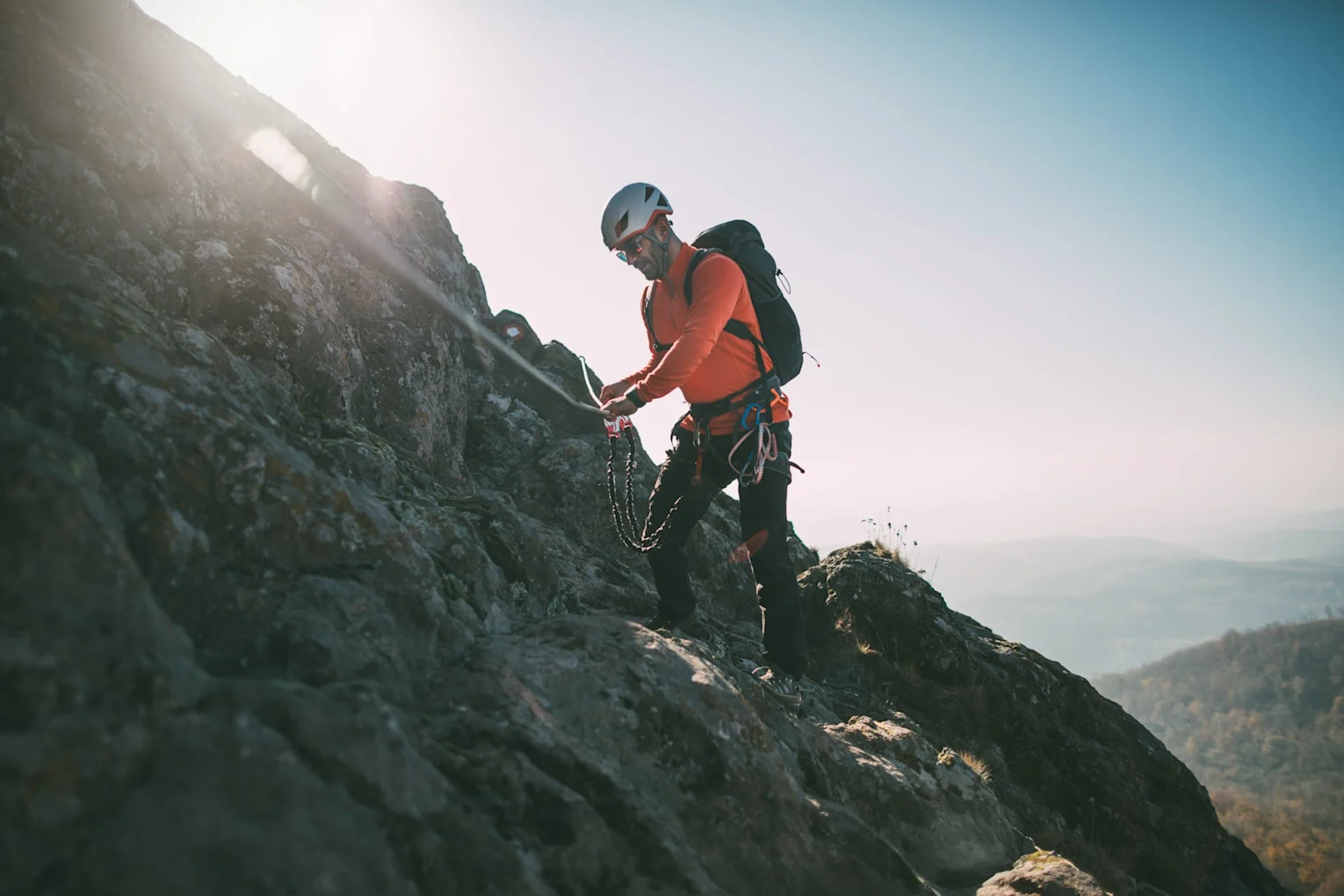
Your Ultimate Guide to Climbing in Moab, UT
The Complete Guide to Rock Climbing Adventures in Red Rock Country
Planning your next climbing adventure doesn't have to be overwhelming, especially when you're exploring one of America's most unique and spectacular rock climbing destinations. Moab, Utah, offers climbing experiences unlike anywhere else on Earth, where ancient Navajo Sandstone formations create towering walls, multi-pitch adventures, and crack climbing systems that have challenged and inspired generations of climbers while showcasing some of the most dramatic desert scenery in the American Southwest.
Here's what makes Moab extraordinary for rock climbing: you're positioned in the heart of the Colorado Plateau where millions of years of geological processes have created a landscape of sandstone towers, crack systems, and multi-pitch walls that provide climbing experiences ranging from single-pitch sport routes to epic multi-day big wall adventures. With legendary areas like Fisher Towers offering world-class desert tower climbing, Indian Creek providing the planet's premier crack climbing, Castle Valley showcasing spectacular spire formations, and Arches National Park boundaries containing countless hidden gems, Moab serves as the epicenter of desert sandstone climbing in North America.

With access to iconic formations like the Fisher Towers providing classic desert mountaineering, Indian Creek's perfect crack systems offering pure technical challenges, Wall Street near Potash Road showcasing accessible multi-pitch adventures, sport climbing at areas like Big Bend and Day Canyon, and countless opportunities for exploration and first ascents across BLM lands and established climbing areas, Moab truly offers climbing for every style and ability level while maintaining the adventure and commitment that have made it legendary among serious climbers worldwide.
CRITICAL SAFETY NOTICE: Rock climbing is inherently dangerous and can result in serious injury or death. This guide provides general information but cannot replace proper instruction, experience, and sound judgment. All climbers must understand and accept these risks while taking responsibility for their own safety through appropriate training, equipment, and decision-making.
FISHER TOWERS: Desert Tower Climbing Legends
Understanding Tower Climbing: A Unique Challenge
The Fisher Towers represent the crown jewel of desert tower climbing, offering world-class multi-pitch adventures through spectacular sandstone spires that rise dramatically from the desert floor. These formations provide climbing experiences unlike anywhere else on Earth, combining technical rock climbing with desert mountaineering skills and commitment levels that demand respect and preparation.

Ancient Art (5.10 C1): This iconic climb represents one of America's most photographed and recognizable climbing achievements, featuring a spectacular summit formation that creates one of climbing's most memorable and exposed finishes. The route combines moderate free climbing with aid climbing techniques while requiring multiple rope management and desert climbing skills.
Ancient Art teaches fundamental tower climbing including crack systems navigation, aid climbing basics, and multi-pitch rope management while providing spectacular exposure and desert adventure. The route's moderate technical difficulty makes it accessible to intermediate climbers with appropriate aid climbing experience.
Cottontail Tower (5.10+ C1): This classic tower route provides excellent introduction to Fisher Towers climbing with moderate difficulty and spectacular positions while teaching desert tower techniques including loose rock management, route finding, and multi-pitch efficiency.
The Titan (5.10 C1): Representing Fisher Towers' most serious commitment, this route requires advanced climbing skills, efficient aid climbing, and comfort with significant exposure while providing one of desert climbing's most spectacular adventures through multiple pitches of varied terrain.
Tower Climbing Skills and Techniques
Aid Climbing Requirements: Most Fisher Towers routes require aid climbing skills including aider use, efficient aid sequences, and understanding of aid protection systems. These techniques differ significantly from free climbing while requiring specialized equipment and training.
Loose Rock Management: Sandstone towers contain areas of poor rock quality requiring specific techniques for protection placement, movement, and safety management. Understanding how to climb safely on loose rock proves essential for tower climbing success.
Multi-Pitch Efficiency: Tower routes require efficient multi-pitch techniques including rope management, belay transitions, and time management for routes that may require full days or overnight bivouacs.
Here's a pro tip: Practice aid climbing techniques on single-pitch routes before attempting tower climbs. Desert towers demand efficiency and competence in aid climbing while offering limited opportunities for learning or recovery from mistakes.
Fisher Towers Logistics and Preparation
Approach Considerations: Fisher Towers approaches require 1-2 hours of hiking with full climbing gear across desert terrain. Plan water, sun protection, and emergency preparedness for approaches that may become challenging during extreme weather.
Route Commitment: Tower routes typically require 6-12 hours with limited escape options once committed to upper pitches. Plan conservative timing with early starts and appropriate emergency preparedness for potential bivouacs.
Weather Sensitivity: Tower climbing requires stable weather with wind being particularly problematic on exposed formations. Monitor weather carefully while understanding how conditions affect route difficulty and safety.
INDIAN CREEK: The World's Premier Crack Climbing
Pure Crack Climbing Excellence
Indian Creek provides the world's most concentrated and highest quality crack climbing, offering hundreds of routes through perfect sandstone crack systems that range from beginner-friendly hand cracks to desperate off-width challenges that test the limits of crack climbing technique and endurance.
The Creek Experience: Indian Creek's crack systems provide pure climbing experiences focusing entirely on crack climbing technique without face holds or other features. This purity creates ideal conditions for developing and testing crack climbing skills while providing spectacular desert settings.
Creek climbing requires specific techniques including hand jamming, foot jamming, and body positioning that differ significantly from face climbing. The area serves as both a training ground for crack climbing development and the ultimate testing ground for advanced crack climbing skills.
Classic Beginner Cracks: Routes like Supercrack of the Desert (5.9) provide ideal introduction to crack climbing with perfect hand crack systems and moderate difficulty while Incredible Hand Crack (5.10c) offers progression opportunities for developing intermediate crack climbing skills.
Advanced Challenges: Routes like Luxury Liner (5.11c) and Generic Crack (5.11a) provide advanced crack climbing challenges while off-width routes like Optimator (5.11b OW) test specialized wide crack techniques and endurance.
Crack Climbing Technique Development
Hand Jamming Fundamentals: Perfect hand jamming technique forms the foundation of crack climbing success, requiring understanding of hand placement, torque generation, and efficient movement through crack systems of varying sizes.
Foot Techniques: Crack climbing demands specialized footwork including toe jamming, foot stacking, and heel-toe combinations that provide security and efficiency in crack systems where traditional face climbing footwork doesn't apply.
Sizing and Protection: Understanding crack sizes and appropriate protection selection proves essential for both safety and climbing efficiency. Indian Creek teaches protection placement skills while providing ideal crack systems for learning traditional climbing techniques.
Indian Creek Logistics and Area Information
Camping and Access: Indian Creek provides primitive camping throughout the area with numerous established sites offering access to climbing areas while maintaining desert camping experiences under spectacular night skies.
Route Density: The Creek offers incredible route density with hundreds of climbs accessible from single approach walks. This concentration allows for multiple climbs per day while providing progression opportunities across all difficulty levels.
Seasonal Considerations: Indian Creek climbing works best during cooler months (October through April) with summer climbing requiring very early starts due to lack of shade and extreme heat on south-facing walls.
ARCHES AREA CLIMBING: Hidden Gems and Classic Routes
Climbing Near the National Park
The areas surrounding Arches National Park provide extensive climbing opportunities on spectacular sandstone formations while maintaining convenient access to services and established camping areas. These routes offer diverse climbing styles from single-pitch sport climbs to traditional multi-pitch adventures.
Wall Street: Located along Potash Road, Wall Street provides excellent multi-pitch climbing with spectacular river views and convenient access from Moab. Routes range from moderate traditional climbs to challenging sport routes while offering introduction to desert multi-pitch climbing.
Wall Street's accessibility and route variety make it popular for visiting climbers wanting quality multi-pitch experiences without the commitment of remote tower climbing. The area provides excellent training for multi-pitch skills while offering spectacular scenery.
Morning Glory: This area offers diverse climbing including sport routes and traditional climbs while providing access to the famous Morning Glory Natural Bridge. The climbing complements the area's scenic attractions while offering moderate challenges and beautiful settings.
Big Bend: Located along the Colorado River, Big Bend provides sport climbing opportunities with spectacular river and canyon views while offering routes ranging from beginner to advanced difficulty levels.
Climbing Ethics and National Park Boundaries
Boundary Awareness: Understanding exact National Park boundaries proves essential for legal climbing access while protecting climbing opportunities and avoiding citations or access restrictions.
Fixed Anchor Policies: Different land management agencies have varying policies regarding fixed anchors, bolt placement, and route development. Understanding these policies prevents access problems while protecting climbing opportunities.
Environmental Sensitivity: Desert ecosystems require careful protection through appropriate access routes, waste disposal, and minimal impact techniques that preserve climbing areas for future generations.
SPORT CLIMBING: Modern Routes in Classic Settings
Developed Sport Climbing Areas
Moab's sport climbing development provides bolt-protected routes on high-quality sandstone while offering climbing experiences that focus on movement and difficulty rather than protection management and route finding associated with traditional climbing.
Day Canyon: This area offers concentrated sport climbing with routes ranging from 5.6 to 5.12 while providing shaded climbing during certain times of day. The area works well for groups with varying abilities while offering progression opportunities and convenient access.
Big Bend Sport Routes: The Big Bend area combines traditional climbing with sport route development, providing options for climbers wanting bolt-protected climbing in spectacular river canyon settings.
Kane Creek Area: Various sport climbing opportunities exist along Kane Creek Boulevard with routes offering different challenges and spectacular desert scenery while maintaining convenient access from Moab.
Sport Climbing Considerations
Route Density: Sport climbing areas offer fewer routes than traditional climbing areas though development continues with new route establishment by local climbing community and visiting climbers.
Protection Quality: Bolt placement and quality varies significantly between different route developers and time periods. Inspect protection carefully while carrying appropriate backup protection for questionable bolts.
Access and Ethics: Sport climbing development requires careful consideration of access rights, environmental impacts, and community acceptance. Support responsible development while respecting access restrictions.
Equipment for Sport Climbing
Bolt-Specific Gear: Sport climbing requires quickdraws, appropriate-length draws for route characteristics, and understanding of sport climbing techniques including clipping, resting, and falling safely.
Backup Protection: Carry traditional protection for backup in areas where bolt spacing or quality raises concerns while understanding when traditional climbing skills complement sport climbing.
Route-Specific Preparation: Research route information including length, difficulty, and protection requirements while understanding seasonal considerations and access current conditions.

TRADITIONAL CLIMBING: Classic Desert Adventures
Developing Traditional Climbing Skills
Traditional climbing in Moab requires advanced skills including protection placement, route finding, and risk management while offering climbing experiences that emphasize self-reliance and adventure over pure technical difficulty.
Protection Placement Skills: Sandstone requires understanding of appropriate protection for different rock types including considerations for expansion, security, and environmental impact of protection placement.
Crack System Navigation: Traditional routes often follow crack systems requiring efficient climbing technique, protection placement, and route finding skills while managing rope drag and belay positions.
Risk Assessment: Traditional climbing demands sophisticated risk assessment including evaluation of protection quality, route conditions, and escape options while understanding consequences of protection failure.
Classic Traditional Routes
North Chimney on Castleton Tower (5.9): This classic desert tower route provides excellent introduction to traditional tower climbing with moderate difficulty and spectacular positions while teaching fundamental desert climbing skills.
Fine Jade (5.10): Located in Castle Valley, this route offers excellent traditional climbing on high-quality rock while providing spectacular valley views and moderate technical challenges.
Various Wall Street Routes: Traditional multi-pitch climbing with spectacular positions and moderate technical difficulty while teaching multi-pitch traditional climbing skills.
Traditional Climbing Equipment
Comprehensive Protection: Traditional climbing requires extensive protection including various sizes of cams, nuts, and pitons appropriate for sandstone crack systems and placement opportunities.
Multi-Pitch Systems: Extended traditional routes require efficient multi-pitch equipment including appropriate rope lengths, belay devices, and organization systems for managing equipment on long routes.
Emergency Equipment: Traditional climbing often involves greater commitment requiring emergency equipment including first aid supplies, emergency communication, and self-rescue capabilities.
BIG WALL CLIMBING: Multi-Day Adventures
Desert Big Wall Challenges
Moab offers big wall climbing opportunities that combine technical climbing with desert survival skills while providing multi-day adventures through spectacular formations requiring advanced climbing skills and comprehensive preparation.
Moses and Zeus Towers: These formations provide multi-day climbing opportunities requiring advanced aid climbing skills, bivouac techniques, and desert survival capabilities while offering spectacular climbing through rarely visited formations.
Advanced Fisher Towers Routes: Several Fisher Towers routes require multiple days with bivouac capabilities while demanding advanced aid climbing skills and comprehensive desert climbing experience.
Castle Valley Big Walls: Various formations throughout Castle Valley offer big wall opportunities for experienced climbers seeking multi-day adventures and serious commitment.
Big Wall Skills and Techniques
Aid Climbing Mastery: Big wall climbing requires advanced aid climbing including efficient aiding, speed techniques, and understanding of aid climbing systems for sustained vertical terrain.
Bivouac Skills: Multi-day routes require bivouac techniques including ledge sleeping, water management, and equipment organization while maintaining safety and efficiency on vertical terrain.
Haul System Proficiency: Big wall climbing demands understanding of haul systems, load management, and efficient techniques for moving equipment up vertical terrain over multiple days.
Big Wall Preparation and Logistics
Route Research: Big wall routes require extensive research including route descriptions, water availability, escape options, and seasonal considerations while understanding commitment levels and technical requirements.
Equipment Planning: Multi-day routes require comprehensive equipment including bivouac gear, cooking systems, water storage, and emergency supplies while managing weight and bulk constraints.
Weather Planning: Desert big walls require stable weather windows with multi-day forecasts while understanding how weather affects route conditions and safety margins.
CLIMBING AREAS BY DIFFICULTY: Progressive Development
Beginner-Friendly Areas and Routes
Moab climbing development includes numerous opportunities for beginning climbers while providing safe environments for skill development and introduction to desert climbing techniques and challenges.
Moab Rim Areas: Various single-pitch climbing opportunities with top-rope and easy traditional route options while providing spectacular views and introduction to desert climbing environments.
Practice Areas: Several areas near town provide convenient access to beginning climbing opportunities while offering progression routes and safe environments for skill development.
Guided Service Routes: Professional guide services access beginning-friendly areas while providing instruction and safety supervision appropriate for climbers new to desert rock climbing.
Intermediate Progression Routes
Castle Valley Classics: Moderate traditional routes providing progression opportunities while showcasing spectacular desert tower climbing without extreme commitment or technical difficulty.
Wall Street Moderates: Multi-pitch traditional routes with moderate difficulty and spectacular positions while teaching multi-pitch skills and desert climbing techniques.
Creek Progression Routes: Indian Creek offers perfect progression through crack climbing difficulty levels while providing ideal training ground for traditional climbing skill development.
Advanced and Expert Challenges
Fisher Towers Advanced Routes: Technical aid climbing and free climbing challenges requiring advanced skills while providing serious commitment and spectacular adventure opportunities.
Creek Testpieces: Indian Creek's most difficult routes provide ultimate crack climbing challenges while testing limits of crack climbing technique and fitness.
Big Wall Adventures: Multi-day routes requiring mastery of advanced techniques while providing serious adventure and commitment levels appropriate only for expert climbers.
SEASONAL CLIMBING: Year-Round Desert Adventures
Spring Excellence (March-May)
Spring provides Moab's premier climbing season with comfortable temperatures, stable weather patterns, and optimal conditions for both single-pitch and multi-day climbing adventures while avoiding extreme heat that characterizes summer climbing.
Temperature Advantages: Spring temperatures typically range from 50-80°F providing comfortable climbing conditions without extreme heat requiring extensive adaptation or early morning starts for route completion.
Stable Weather: Spring weather patterns tend toward stability with fewer severe storms and more predictable conditions supporting planning for both day climbs and multi-day adventures.
Optimal Conditions: Spring provides optimal rock conditions with clean rock surfaces and minimal weather-related route hazards while maintaining excellent friction and protection placement opportunities.
Summer Adaptations (June-August)
Summer climbing requires significant adaptations for extreme heat and challenging conditions while providing extended daylight hours for long route completion and established emergency protocols.
Heat Management: Summer climbing demands early morning starts (pre-dawn) to complete routes before dangerous midday temperatures while requiring comprehensive heat management and emergency preparedness.
Route Selection: Choose shaded routes or higher elevation climbing during summer while avoiding south-facing walls and exposed routes during peak heat periods that can become life-threatening.
Water Requirements: Summer climbing dramatically increases water consumption requiring careful planning and extra supplies while understanding that dehydration can quickly become dangerous in desert conditions.
Fall Opportunities (September-November)
Fall provides exceptional climbing conditions with comfortable temperatures, stable weather, and optimal rock conditions while maintaining excellent visibility and route conditions throughout extended comfortable periods.
Extended Season: Fall conditions often extend into November providing opportunities for comfortable climbing when northern climbing areas become uncomfortably cold or inaccessible due to weather.
Photography Conditions: Fall lighting provides exceptional conditions for climbing photography with warm light enhancing red rock colors while creating dramatic shadows and spectacular image opportunities.
Winter Possibilities (December-February)
Winter climbing offers unique opportunities including solitude and different seasonal beauty while requiring appropriate preparation for cold conditions and potential weather hazards.
Cold Weather Considerations: Winter climbing requires understanding of hypothermia risks, appropriate clothing systems, and recognition of how cold affects equipment performance and climbing techniques.
Route Selection: Choose south-facing routes with maximum sun exposure during winter while avoiding routes that may become dangerous due to ice, snow, or extreme cold conditions.
Limited Daylight: Winter's shorter days require careful timing and route selection while understanding how limited daylight affects route completion and emergency response capabilities.
EQUIPMENT AND GEAR: Desert Climbing Essentials
Rock-Specific Equipment Requirements
Moab's sandstone requires specialized equipment and techniques different from other climbing areas while demanding gear capable of handling unique rock characteristics and desert environmental challenges.
Protection for Sandstone: Sandstone protection requires understanding of appropriate sizes, placement techniques, and limitations while carrying gear suitable for crack systems, expansion placements, and varying rock quality.
Rope Considerations: Desert climbing often involves long routes with significant rope drag requiring appropriate rope length and management techniques while understanding how sandstone affects rope wear and performance.
Specialized Hardware: Some desert routes require specialized equipment including pitons, hooks, and aid climbing hardware while understanding regional preferences and protection standards.
Clothing and Personal Protection
Sun Protection: Desert climbing requires comprehensive sun protection including long sleeves, sun hats, high-SPF sunscreen, and quality sunglasses while understanding how intense desert sun affects exposure and heat management.
Layering Systems: Desert temperature variations require versatile clothing systems capable of handling cold mornings and hot afternoons while providing protection from wind and potential weather changes.
Foot Protection: Desert approaches often involve challenging terrain requiring sturdy approach shoes while climbing shoes must handle sandstone characteristics and potential long route requirements.
Emergency and Safety Equipment
Communication Devices: Many climbing areas have limited cell phone coverage making satellite communication devices valuable for emergency situations while providing essential safety margin for serious climbing adventures.
First Aid and Rescue: Comprehensive first aid supplies and self-rescue equipment provide essential safety capabilities for climbing areas where professional rescue may be delayed or impossible.
Navigation and Emergency Shelter: GPS devices, maps, and emergency shelter provide essential safety equipment for climbing areas where route finding or emergency bivouacs may be required.
GUIDE SERVICES AND INSTRUCTION: Professional Development
Professional Guide Services
Moab's established guide services provide instruction and guiding for all climbing levels while offering local expertise, safety management, and access to climbing areas that benefit from professional knowledge and experience.
Desert Rock Sports: Long-established guide service providing instruction and guiding for all climbing disciplines while specializing in desert climbing techniques and local area expertise.
Moab Cliffs & Canyons: Full-service guide operation offering climbing instruction, guiding services, and equipment rental while providing comprehensive programs for skill development.
Red Rock Climbing Guides: Professional instruction focusing on traditional climbing skills and desert climbing techniques while providing customized programs for individual and group development.
Skill Development Programs
Beginner Instruction: Comprehensive programs teaching fundamental climbing skills including safety systems, basic technique, and equipment use while providing safe introduction to desert climbing environments.
Advanced Skill Courses: Specialized instruction in aid climbing, big wall techniques, and desert survival skills while providing progression opportunities for experienced climbers seeking advanced capabilities.
Rescue and Safety Training: Professional rescue courses and safety instruction providing skills essential for self-reliance in remote climbing areas while understanding emergency response capabilities.
Equipment and Rental Services
Comprehensive Equipment Rental: Professional rental equipment including specialized desert climbing gear while providing quality equipment and local expertise about appropriate gear selection.
Technical Equipment Sales: Local shops providing climbing equipment sales with expertise about desert-specific requirements while offering equipment appropriate for local climbing conditions.
Repair and Maintenance Services: Equipment repair and maintenance services supporting extended climbing trips while providing technical expertise for specialized equipment requirements.
CONSERVATION AND CLIMBING ACCESS
Sustainable Climbing Practices
Desert climbing occurs in fragile environments where impacts can persist for decades while affecting continued climbing access and ecosystem health throughout climbing areas.
Rock and Vegetation Protection: Minimize impacts on rock surfaces and desert vegetation through appropriate climbing techniques, access route selection, and protection placement practices that preserve climbing areas.
Fixed Anchor Management: Understanding policies regarding fixed anchor placement, maintenance, and replacement while supporting responsible anchor practices that maintain safety and environmental protection.
Waste and Impact Management: Comprehensive Leave No Trace practices including human waste disposal, equipment maintenance, and campsite management that protect desert environments.
Supporting Climbing Access Organizations
Access Fund Membership: Supporting national and local climbing access organizations through membership and advocacy while contributing to access protection and climbing area management.
Local Climbing Organizations: Utah climbing organizations work to maintain access while coordinating with land management agencies and providing volunteer opportunities for area maintenance.
Volunteer Opportunities: Trail maintenance, route maintenance, and conservation projects provide direct support for climbing areas while building relationships with land management agencies.
Land Management and Regulations
Multiple Agency Coordination: Climbing areas involve multiple land management agencies including National Park Service, Bureau of Land Management, and Utah State Parks requiring understanding of varying regulations.
Permit Requirements: Some climbing areas require permits or have seasonal restrictions while understanding current regulations prevents access violations and supports continued climbing access.
Environmental Compliance: Understanding and following environmental regulations including archaeological site protection, wildlife protection, and seasonal restrictions supports long-term access.
EMERGENCY PREPAREDNESS AND RESCUE
Self-Rescue Capabilities
Desert climbing often involves remote locations with limited emergency response capabilities requiring comprehensive self-rescue skills and emergency preparedness appropriate for climbing environments.
Technical Rescue Skills: Understanding rappelling, lowering, and hauling techniques for emergency situations while carrying appropriate equipment for self-rescue scenarios.
Medical Emergency Response: Wilderness first aid skills and comprehensive first aid equipment provide essential capabilities for treating climbing injuries in remote locations with delayed professional response.
Communication and Evacuation: Emergency communication devices and understanding of evacuation procedures provide essential safety margins while coordinating with professional rescue services when necessary.
Risk Management and Decision Making
Risk Assessment Skills: Developing sophisticated risk assessment capabilities including evaluation of route conditions, weather factors, and group capabilities while making informed decisions about climbing objectives.
Retreat and Escape Planning: Understanding retreat options and escape routes for climbing areas while maintaining flexibility for changing conditions or emergency situations.
Group Safety Management: Advanced group management skills including leadership decision-making, communication, and safety supervision appropriate for serious climbing environments.
Emergency Equipment and Planning
Comprehensive Emergency Kits: Emergency equipment including first aid supplies, emergency shelter, and communication devices while understanding desert-specific emergency challenges.
Route-Specific Planning: Emergency planning appropriate for specific climbing objectives including understanding rescue possibilities, evacuation routes, and emergency resource availability.
Training and Preparation: Regular training in emergency procedures and rescue techniques while maintaining current skills and understanding of best practices for climbing emergency management.

PLANNING YOUR MOAB CLIMBING ADVENTURE
Objective Selection and Trip Planning
Skill Assessment: Honest assessment of climbing abilities, experience levels, and objective appropriateness while avoiding climbs that significantly exceed current capabilities and safety margins.
Route Research: Comprehensive route research including guidebook information, recent condition reports, and local knowledge while understanding seasonal considerations and access requirements.
Equipment Planning: Comprehensive equipment planning appropriate for climbing objectives while considering rental options, specialized equipment requirements, and desert-specific gear needs.
Seasonal Timing and Conditions
Weather Window Selection: Choose climbing timing based on weather tolerance, route exposure, and seasonal climbing conditions while understanding how desert weather affects climbing safety and enjoyment.
Condition Monitoring: Current condition monitoring including route conditions, access restrictions, and weather forecasts while maintaining flexibility for changing conditions.
Alternative Planning: Develop alternative objectives and backup plans for weather delays, condition changes, or route closures while maintaining climbing opportunities despite changing circumstances.
Realistic Expectations and Safety
Adventure vs. Risk Management: Balance adventure goals with appropriate safety margins while understanding desert climbing risks and maintaining decision-making capabilities appropriate for serious climbing environments.
Group Compatibility: Assess group climbing compatibility including skill levels, risk tolerance, and objective appropriateness while ensuring all participants understand climbing expectations and commitments.
Emergency Preparedness: Comprehensive emergency planning including communication protocols, emergency equipment, and rescue planning appropriate for climbing objectives and group capabilities.
Understanding Moab's climbing opportunities within the context of desert climbing challenges helps climbers appreciate both the spectacular experiences available and their responsibilities for safety and environmental stewardship. The skills, judgment, and environmental awareness developed through Moab climbing provide foundation for exploring climbing opportunities throughout the world while contributing to conservation and protection of the unique landscapes that make these adventures possible.
FINAL SAFETY REMINDER: Rock climbing involves serious risks including injury and death. This guide provides general information only and cannot replace proper instruction, experience, and sound judgment. All climbers must understand and accept these risks while taking full responsibility for their own safety through appropriate training, equipment, and decision-making.